
Yes in My Backyard
-
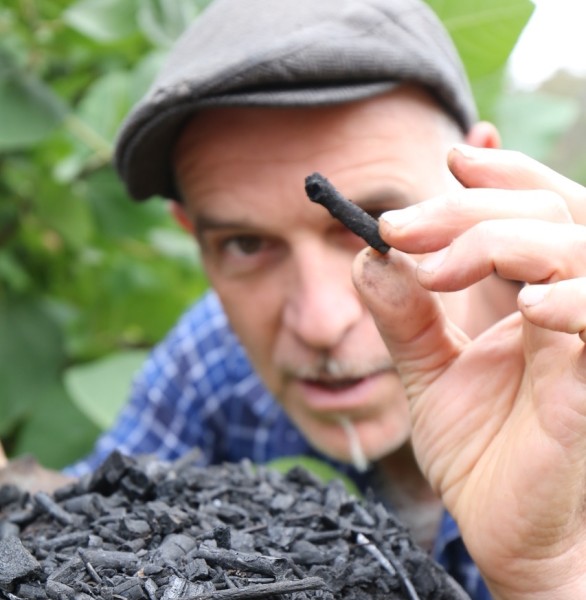
The Compost Conversation – Biocharging your compost
There is lots of interest, quite a bit of hype and some pretty optimistic hope pinned on biochar and what it might be able to do to improve agricultural soil and yields while simultaneously drawing carbon out of the atmosphere for a very long time. A clearer picture is starting to emerge about the best…
-
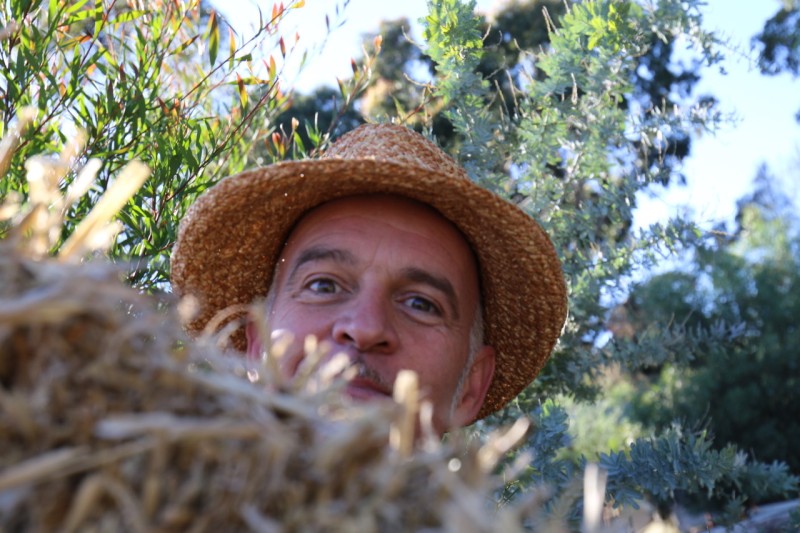
The Compost Conversation – Straightening the hay from the straw
There is a bit of confusion out there between ‘straw’ and ‘hay’. You hear them used interchangeably but they are quite different products and play different roles in our compost piles. Let’s have a look at what makes each distinct. Hay is grass or other pasture plants that are cut when they are still green…
-

Reflections of a composter
In this week’s Compost Conversation, the team from YIMBY (Yes In My Back Yard) bid farewell to their very first YIMBY composter. Melinda Jane took a leap of faith and joined YIMBY at the beginning of 2021. During this time, 2834 kgs of food scraps were processed in her backyard. She collected 919 buckets from…
-

The Compost Conversation – with Joel Meadows
The big chop It’s important to chop our compost ingredients fine enough so that they have the right consistency to break down perfectly in our compost piles, not too coarse, not too fine, think about every bit of nitrogen-rich food scrap being small enough to be in good contact with some carbon-rich ingredient. Let’s have…
-

The Compost Conversation – Nutrient cycling: everyone’s doing it!
For the past couple of weeks we have celebrated the impressive skills of the bacteria and fungi in our compost piles. We have looked at how they each work away at decomposing their specific, and quite different, dietary preferences, incorporating the nutrients they access into their microscopic bodies. So how do our plants get access…
-

The Compost Conversation – an homage to the bacteria
Over the next few weeks we thought it would be fun to take a deep dive into the microscopic world of our compost piles and meet some of our composting microbes. As composters we could see ourselves as microbe farmers, as like any farmer worth their salt we aim to provide our microbes with a…
-
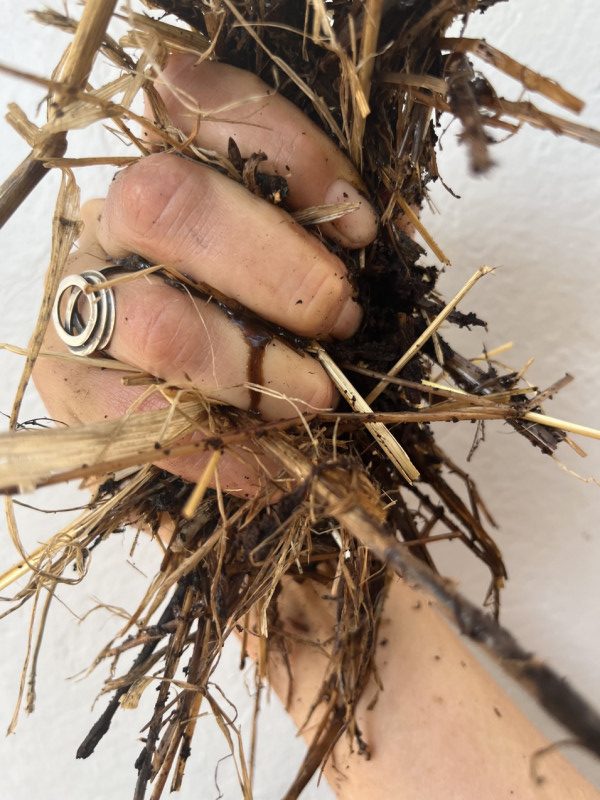
The Compost Conversation – with Mikaela Beckley
Moisture monitoring: Give your compost a squeeze This week we’ll look at how to tell if your compost is wet enough, but first, let’s just remind ourselves why the correct moisture content is so important in our compost. The beneficial microbes that do the hard work in our piles need a thin layer of moisture…
-

The Compost Conversation – with Joel Meadows
Pre-soaking for happy summer compost Now that the weather is getting warmer, our compost piles can start to suffer from drying out too much. Letting our compost piles dry out will force our compost microbes to go into a dormant mode, protecting themselves from the dry with an impervious layer and taking a break from…
-

The Compost Conversation – with Joel Meadows
Chop till you drop? Imagine what it might be like being a helpful microbe in a compost pile, building the proteins of your body from nitrogen-rich food scraps, getting energy for your work from the carbon-rich additions in the pile and all the while swimming on the film of moisture around these materials, breathing in…
-

The Compost Conversation – with Mikaela Beckley
Layer your compost like a lasagne! Regardless of whether you are cold composting, hot composting, or somewhere in between, paying attention to your layering technique will help your compost microbes stay alive, and thrive! Picture a delicious piece of lasagne. Each layer spread evenly across the surface, thin enough for just a hint of the…
-

The Compost Conversation – with Joel Meadows
A tree stole my compost! Does your compost pile never seem to fill up, always seems dry and powdery and no matter how many kitchen scraps and garden prunings you put in it, never seems to be rich or crumbly? It could be that a tree is stealing your compost. Now, don’t write me off…
-

The Compost Conversation – with Joel Meadows
Is your cool compost… cool?Most backyard compost piles are cool, which means they don’t achieve consistent temperatures over 55 degrees Celsius for three days or more. They can still make good compost if we follow a few simple rules. The lower temperatures of cool compost mean we can’t trust the heat of our pile to…