

YIMBY composters
-
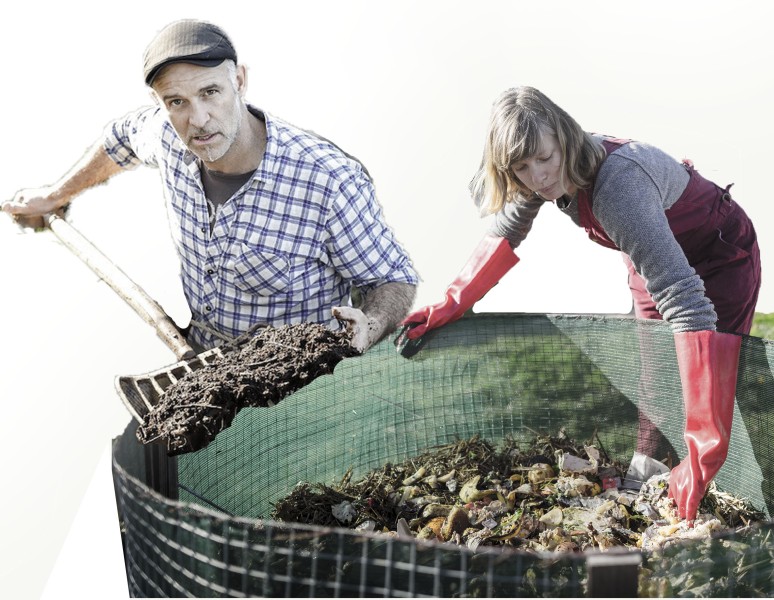
Winter Warmer Workshop
Is it really possible to keep our compost hot in these cold winter months?If you’ve been following the Compost Conversation, you will undoubtedly know that the reason compost gets hot has little to do with the outside temperature, or position in the sun, and almost everything to do with how well we are feeding and…
-

Meat and dairy … in or out?
I’m sure you have come across the claim that you can’t or shouldn’t compost meat scraps and dairy products. Given how often it is repeated, it must be true … mustn’t it? Perhaps it is time to channel our inner ‘toddler’ and ask “why?”. If we can understand the reasons ‘not to compost meat and…
-
You can’t compost that…can you?
Have you been told that you can’t, or shouldn’t, compost a particular thing? Perhaps it is onion skins or citrus peel. Meat and dairy are on the exclusion list for lots of folk, or perhaps it’s waste oil or fats? Weed seeds, pest infested fruit and plants like couch or kikuyu grasses are usually sighted…
-
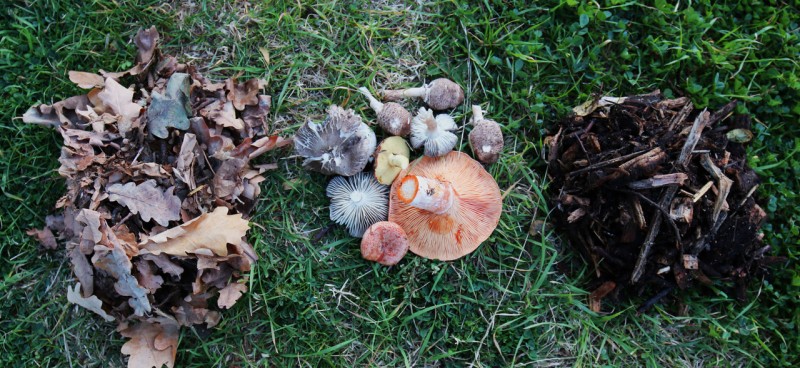
Cellulose, chitin or lignin?
The bodies of all living things, from the largest trees to the smallest microorganisms are mostly made of carbon, organised in microscopic chains called ‘polymers’. These carbon polymers take different forms, and each form breaks down in our compost in a different way and at different times. Let’s take a look at three common carbon…
-
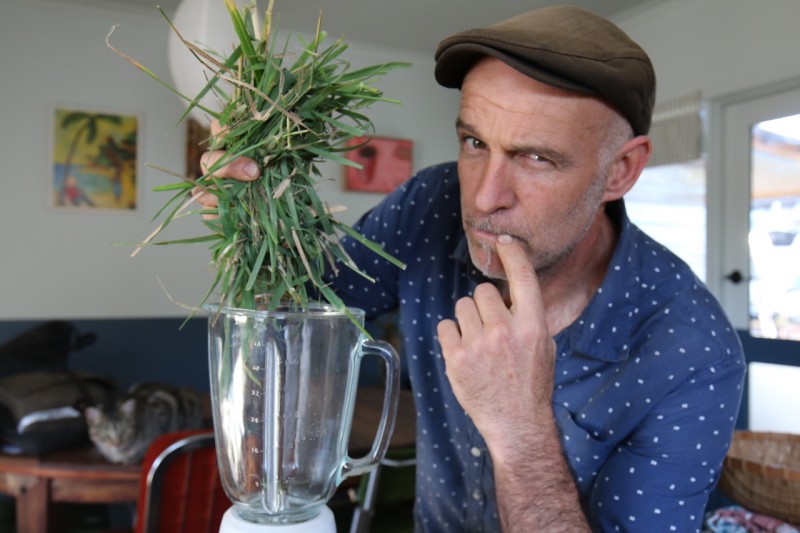
How to use your ‘mind blender’
We have talked before about the importance of getting the moisture content of our compost piles right. Our favourite image for the ideal level is a wrung out, wet sponge, wet enough that, if you squeezed it hard you could just get out another drop, but not dripping water. This is about 55 per cent…
-
The leaves are falling
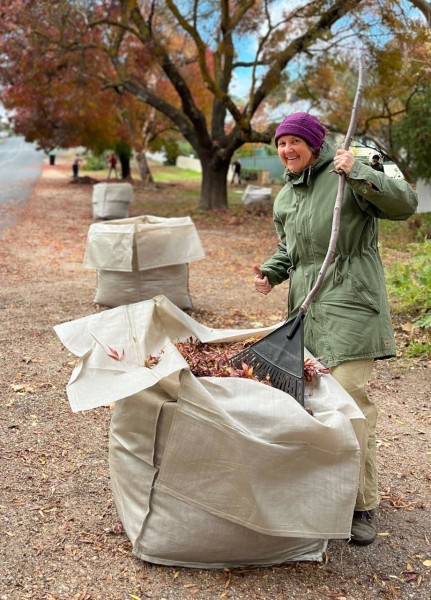
“Did you see the wind today, blow the autumn leaves away? From on high they fluttered down, some were red and some were brown”. The magic of autumn and the childhood fun of playing in leaf piles has not left me, but I now see another magical thing about the blanket of leaves falling on…
-
Compost in our autumn garden
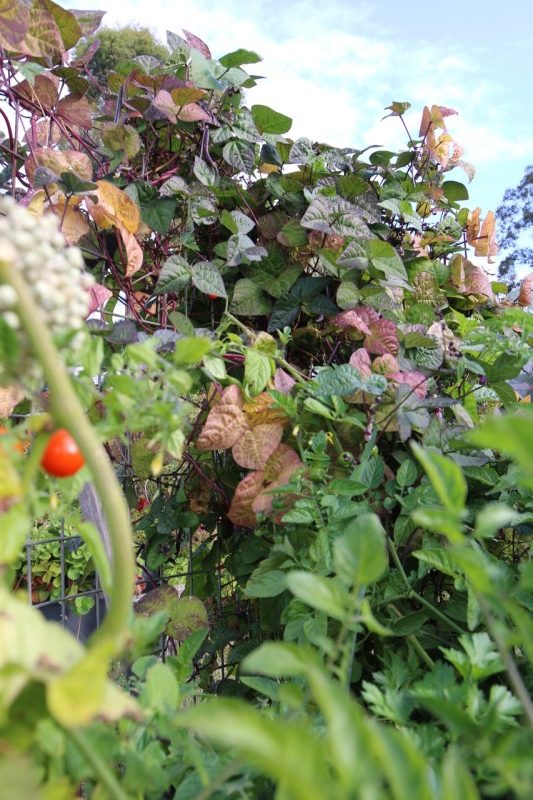
Autumn in central Victoria is pretty spectacular. As the rains bring a flush of green and the nights cool, our summer plantings, still productive, start to slow and our minds turn to the first big frost. For many gardeners, autumn brings the peak of garden prunings; springy tomato, eggplant and capsicum stems, rambling pumpkin and…
-
Profile of a composter
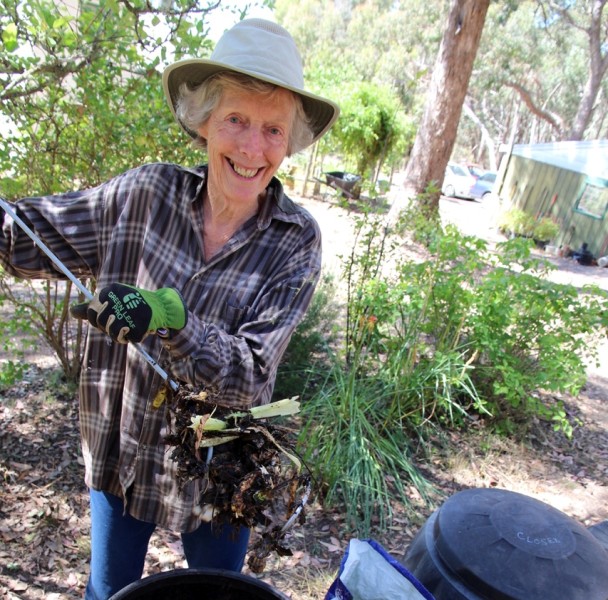
This week we are taking a stroll around the Taradale garden of long-time Mount Alexander Shire councillor, Christine Henderson, and having a look under the lid of her compost bins. Christine and Team Henderson have a rural property on the edge of Taradale nestled into the surrounding bush. Productive gardens around the house provide food…
-
The Compost Conversation – Compost too dense?
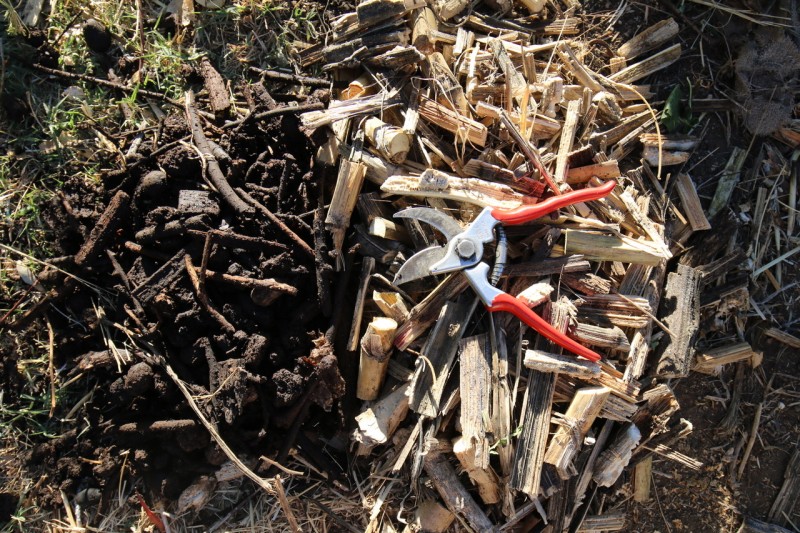
Imagine you live at the very bottom of a compost pile. As the pile is added to every week or so, the volume above you gets larger and heavier with every new compost making session. Before too long you are living under a few hundred kilos of breaking-down compost, the air getting squished out and…
-
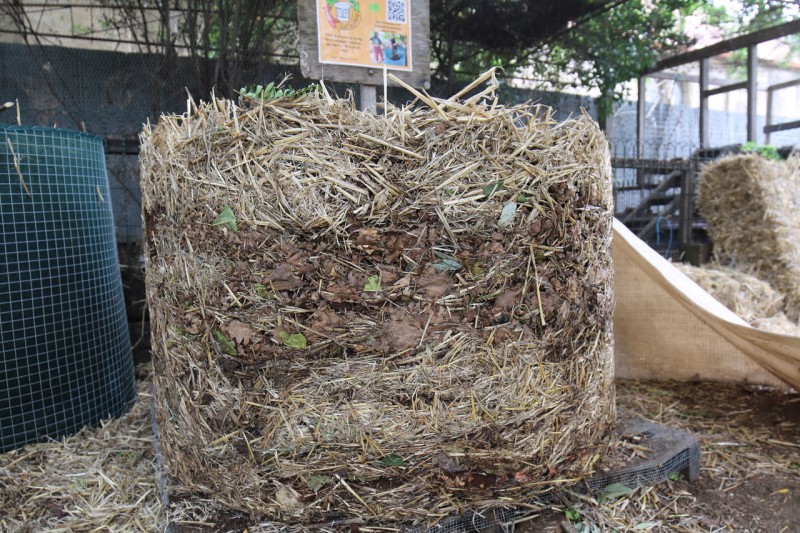
The Compost Conversation – Flat out for great compost
Note: We have decided to leave our article on making biochar until after the fire season is passed. There is one pro-composting tip that sets the serious composters apart from the pack. It is so simple you might not believe what a difference it can make, but if I could share only one composting tip…
-
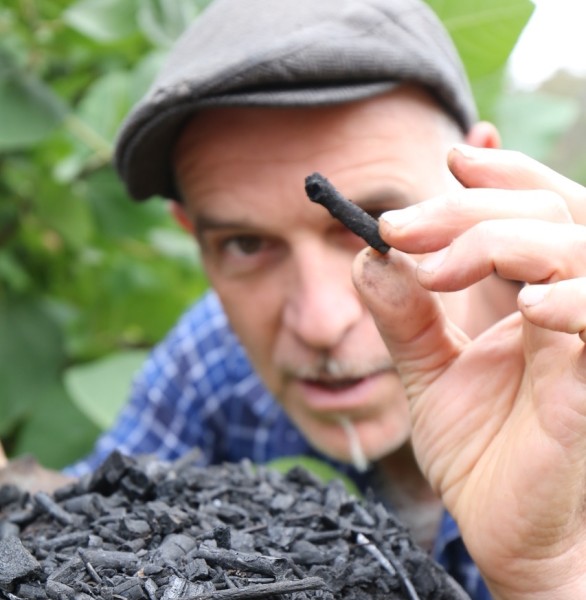
The Compost Conversation – Biocharging your compost
There is lots of interest, quite a bit of hype and some pretty optimistic hope pinned on biochar and what it might be able to do to improve agricultural soil and yields while simultaneously drawing carbon out of the atmosphere for a very long time. A clearer picture is starting to emerge about the best…
-
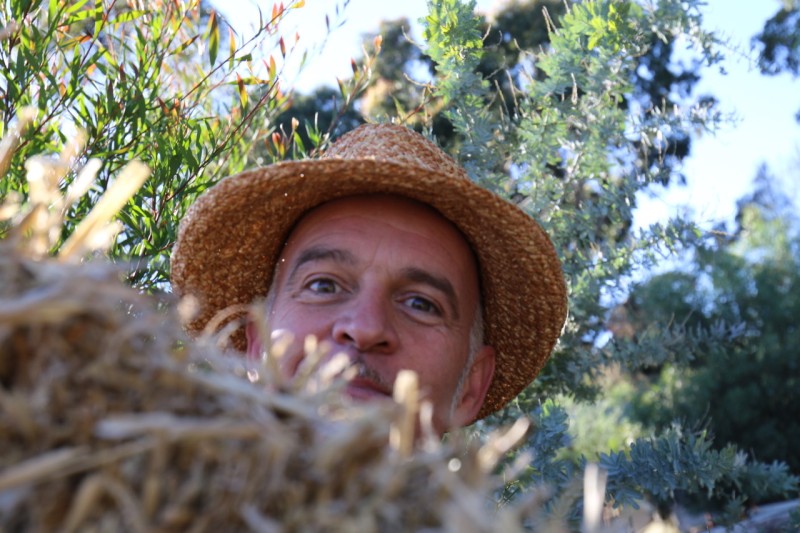
The Compost Conversation – Straightening the hay from the straw
There is a bit of confusion out there between ‘straw’ and ‘hay’. You hear them used interchangeably but they are quite different products and play different roles in our compost piles. Let’s have a look at what makes each distinct. Hay is grass or other pasture plants that are cut when they are still green…