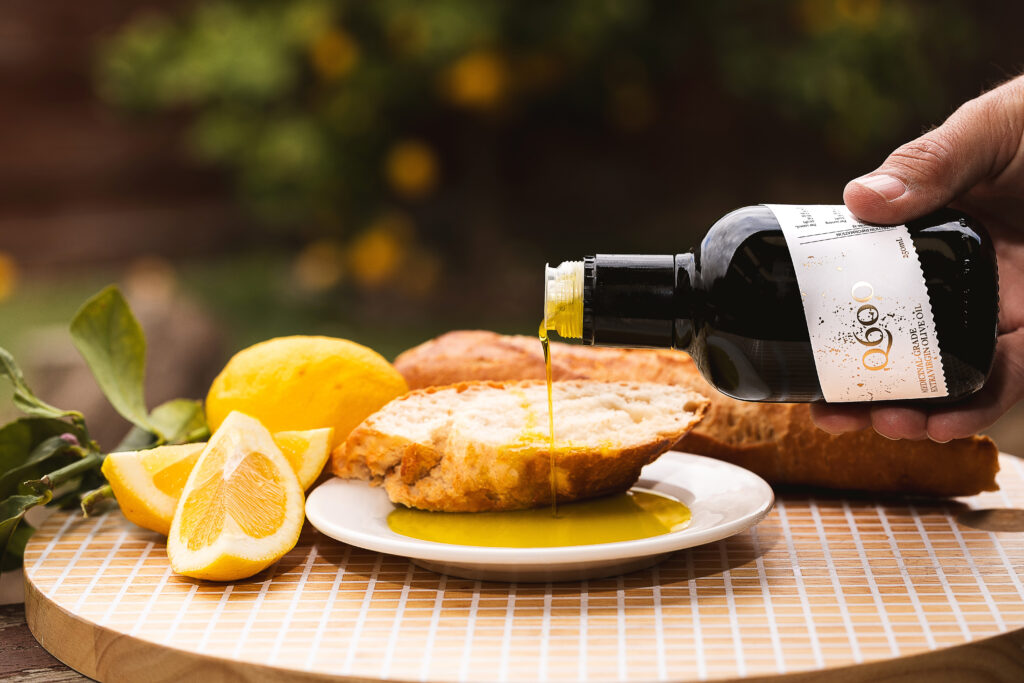

A Macedon Ranges olive oil producer’s focus on the potential health benefits of olive oil has been rewarded with a gold medal at the International Australian Olive Oil Awards.
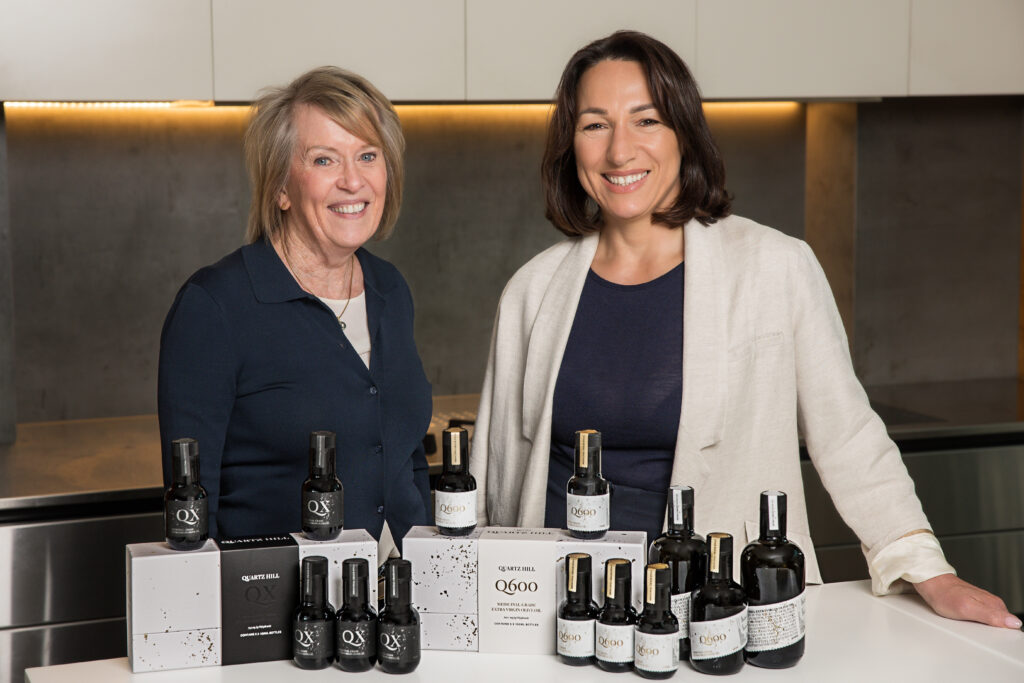
Quartz Hill, founded by Melissa Lococo and Deb Radford, received gold for its Q600 oil, along with silver medals for its Estate and Gilt oils.
The recognition comes as the business continues to develop high-polyphenol olive oils, which contain naturally occurring plant compounds being investigated for their potential health benefits.
Based in the Macedon Ranges, Quartz Hill has spent more than two decades producing olive oil. The business was formed in August 2025 through the merger of operations at Quartz Hill in Lauriston and Mt William in Goldie.
Ms Lococo and Ms Radford have focused on producing oils with high concentrations of polyphenols, compounds found naturally in olives that have antioxidant and anti-inflammatory properties.
Their flagship Q600 oil contains 634 milligrams of polyphenols per kilogram, according to independent laboratory testing.
Polyphenols are increasingly attracting scientific interest because of their potential role in reducing inflammation and oxidative stress, which are associated with a range of health conditions.
Research into the Mediterranean diet, which includes regular olive oil consumption, has identified associations with improved cardiovascular health and other health outcomes. However, the extent to which olive oil alone contributes to these benefits varies between studies, and further research is needed.
Harvesting at the right time
Quartz Hill’s production process focuses on harvesting olives early in the season, when polyphenol concentrations can be at their highest.
As olives ripen, polyphenol levels generally decline, although the timing and concentration vary between olive varieties and growing conditions.
The company works with specialist laboratory Modern Olives to test its fruit throughout the season and identify the most suitable harvest time for each variety.
Harvesting early can reduce the amount of oil produced from each kilogram of olives, creating a trade-off between oil volume and polyphenol concentration.
Ms Lococo said laboratory testing helped the business determine when to harvest.
“The testing tells us exactly where we are,” she said.
Quartz Hill also uses methods designed to limit the oil’s exposure to oxygen, which can contribute to oxidation and reduce quality over time.
Freshly extracted oil is transferred into stainless steel tanks protected by argon gas, while bottling under vacuum is used to reduce air exposure.
Each batch is independently laboratory tested to establish its polyphenol content, allowing the company to provide consumers with a measured result.
Research into olive oil compounds
One of the compounds attracting scientific attention is oleocanthal, a naturally occurring component of extra virgin olive oil associated with its peppery, throat-catching sensation.
Research has found that oleocanthal can inhibit COX enzymes involved in inflammation, which are also targeted by some anti-inflammatory medications.
However, olive oil should not be regarded as a replacement for prescribed medication, and laboratory findings about individual compounds do not establish that a particular oil can prevent or treat disease.
Quartz Hill’s approach combines early harvesting, laboratory testing and oxygen-reduction methods to produce oils with high polyphenol concentrations.
The company said its Q600 was launched in March and has been well received, with its oils selling out each year.
The latest gold medal has reinforced the business’s focus on producing high-polyphenol oil without compromising flavour.