

Yes In My Back Yard
-
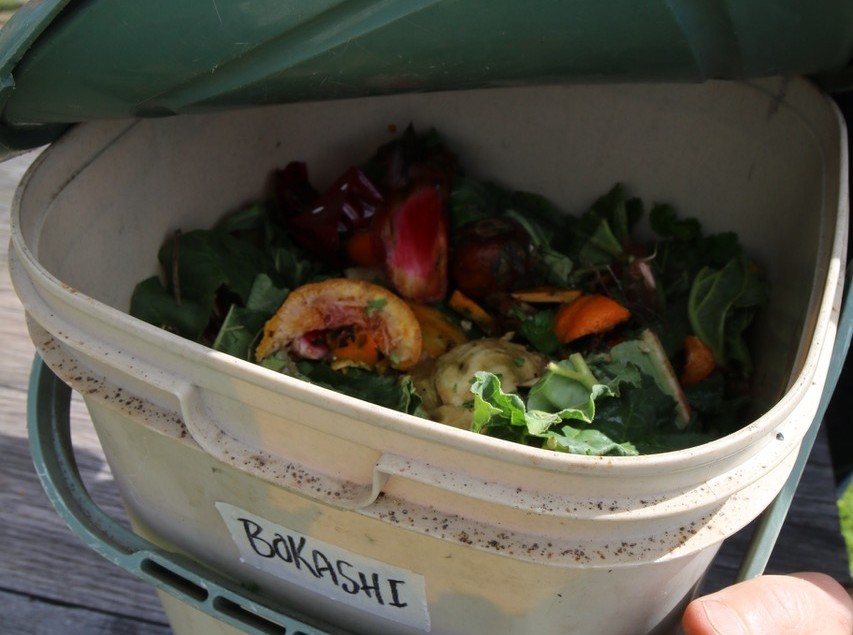
Bokashi – brilliant, or bit of a bother?
Do you know that feeling, everyone is talking about some ‘amazing’ thing, and you are left wondering “am I missing something here?”. That’s me and bokashi. Bokashi is a system for processing kitchen scraps that is presented as a convenient, odour-free alternative to composting or worm farming. We need a bokashi bucket – with a…
-
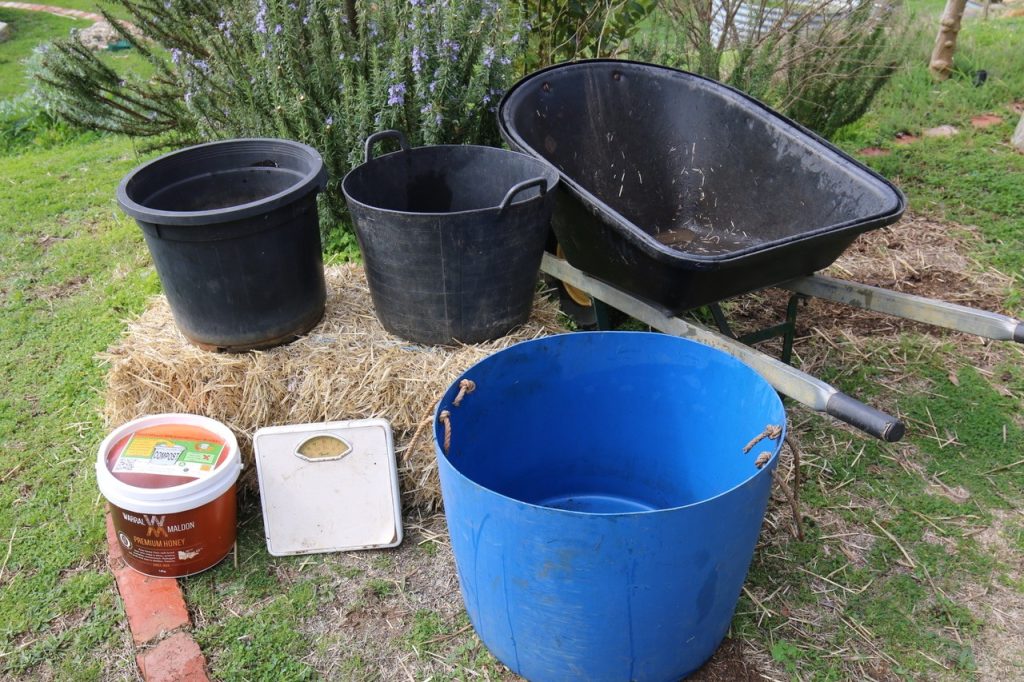
Measuring our compost ingredients
When we first learn to cook, a recipe is our lifeboat, and we follow it to the letter. As we begin to trust our intuition, we need the recipe less and less, substituting an ingredient here, estimating a measure there, cooking more by feel than by the absolutes of cups or grams. Even when we…
-
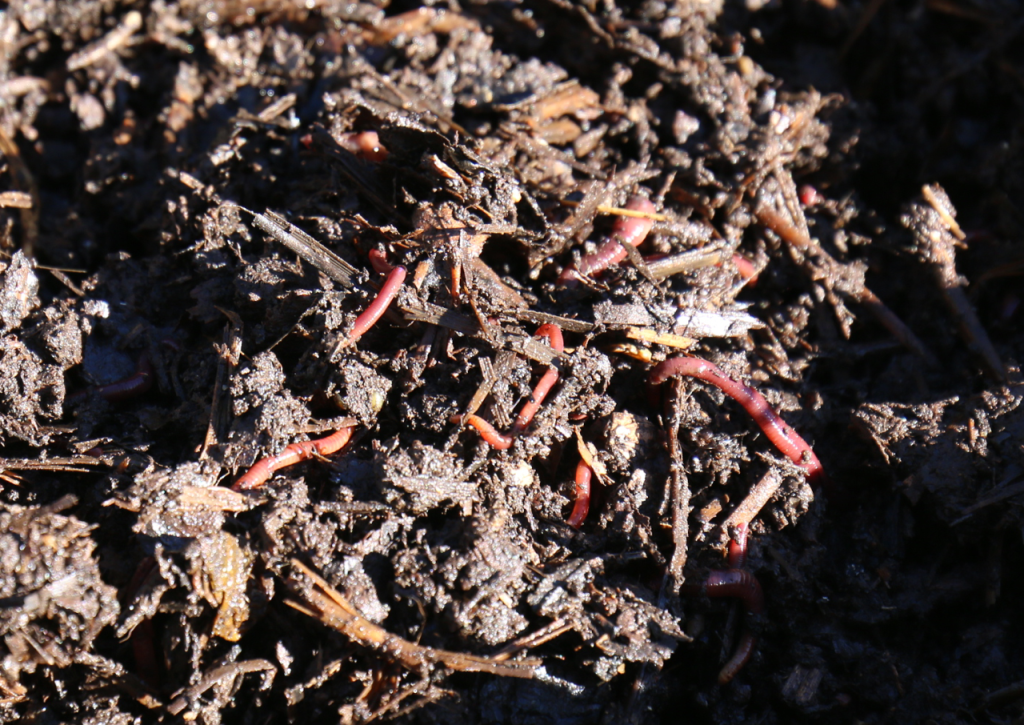
The good news is, you’ve got worms!
It is common to draw a distinction between composting systems and worm systems, but they are more similar than you might think. Good composts will all have worms contributing to the decomposition in some way, at some stage, and worm farms need compost microbes doing lots of the work, not just the chomping, grinding work…
-
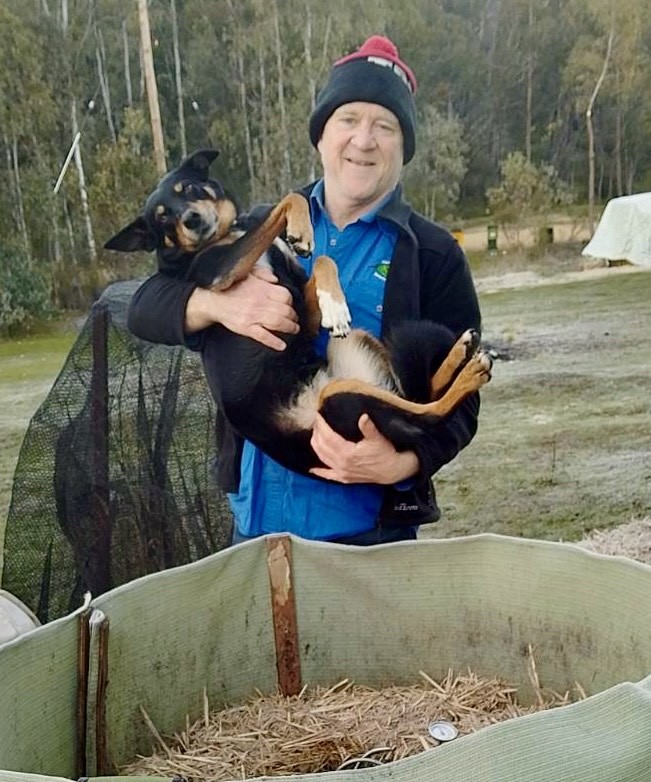
Cats, dogs and compost
Dean Bridgfoot BVSc (Hons) MA (EnSci) Compost – what’s not to like about it? Well, if you’re a cat, probably everything – cats avoid compost like coal companies avoid paying taxes. But dogs – well, they do love a rummage in a compost heap, especially if it contains bread, meat or dairy products or corn…
-
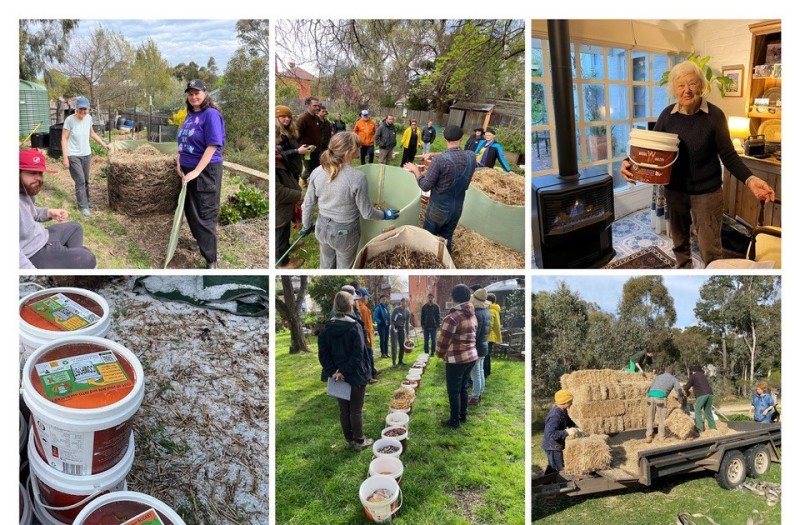
Where is YIMBY in mid 2025?
Back in early 2020, the idea for a community compost initiative was born around a kitchen table in Castlemaine. In the five years since, YIMBY (Yes In My Back Yard) compost has grown to a thriving, distributed community of composters, their contributing households and a small but dynamic coordination team. Recently YIMBY passed the milestone…
-
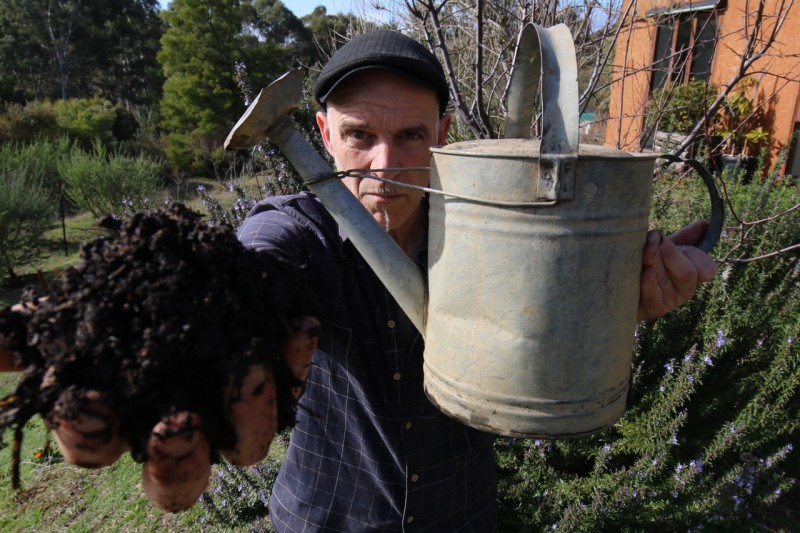
The amazing water-holding capacity of good compost
When our soils are healthy, active with soil life and rich in well-decomposed organic matter they can hold many times more water than the same type of soil in poor condition. Research from the University of Sydney has tried to quantify this effect and found that increasing the organic carbon content of a soil from…
-
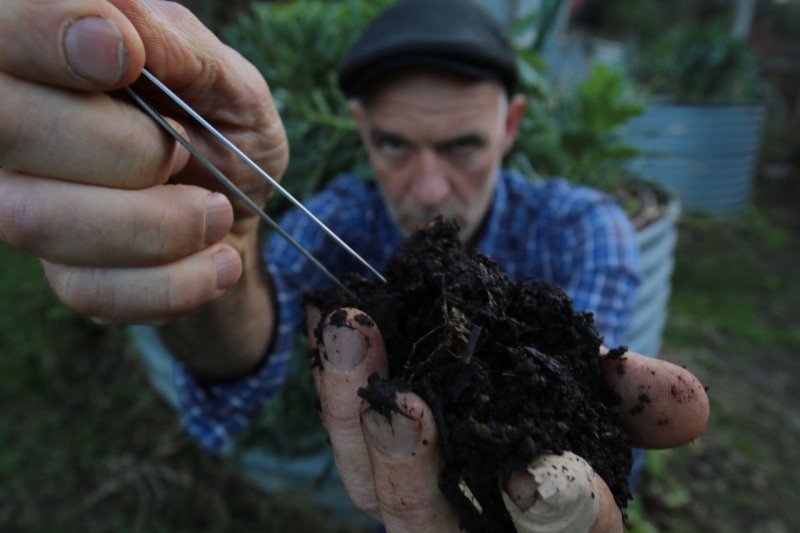
Humus, magic or myth?
Gardeners who are tuned in to the benefits of healthy soil probably know the term ‘humus’ and likely have a sense of what soil with this quality feels like; rich, moist, almost ‘greasy’ in quality. The problem is, it is possible humus, as a substance, does not exist at all! In the early years of…
-
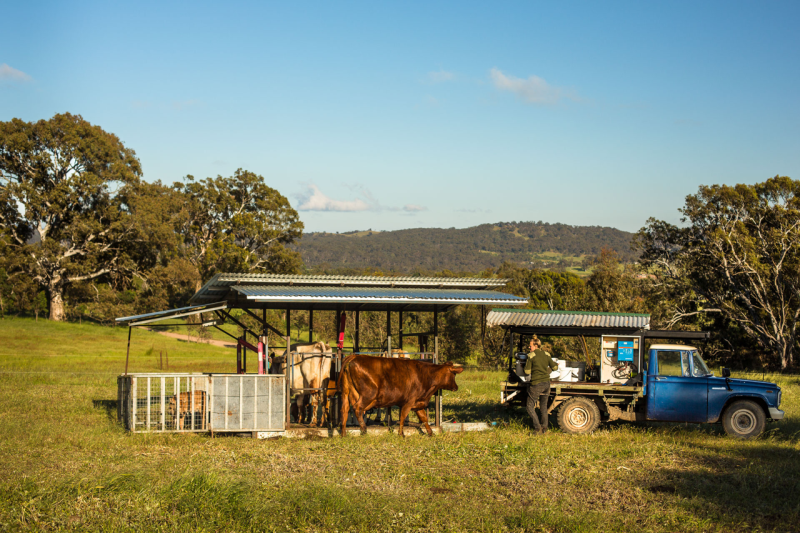
Cow manure. Great, if you can get it
Cow manure is one of the best manures for our compost pile and many early compost recipes recommended cow (dairy) or cattle (meat) manure as one of the major ingredients in a good compost recipe. The question is, can we still get our hands on a good source of it? Sir Albert Howard, the father…
-
Does your compost pass the Pub Sniff Test?
You may have heard of ‘The Pub Test’, a conceptual check of a political idea with people down the pub. You might have also heard of ‘The Sniff Test’, an indicator that an idea might be ‘off’ or ‘on the nose’. Today we’re asking “does your compost pile pass the Pub Sniff Test?” Mikaela Beckley,…
-
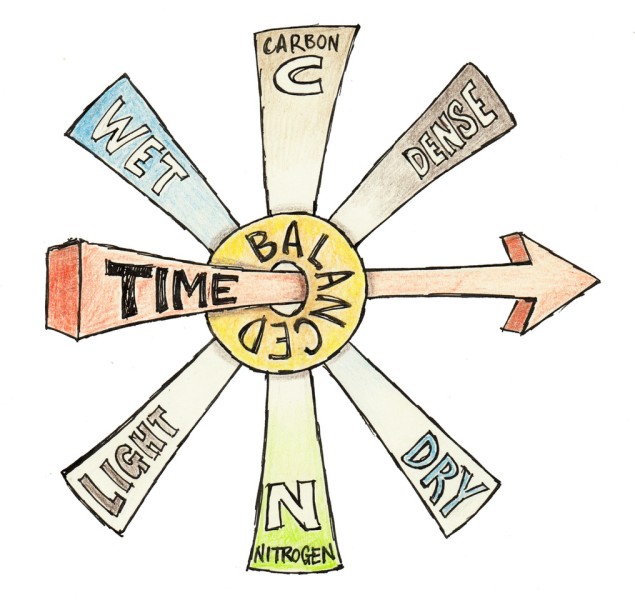
The three axes
In previous compost conversations we have looked at the importance of carbon/nitrogen ratios, getting the moisture levels of our compost right and getting the density of our piles (bins or bays) in that sweet spot between too heavy and too light. Training our YIMBY composters in our ‘continuous hot composting process’ we use the above…
-
Five common compost myths
Now in our fifth year, and with hundreds of compost piles under our belts, YIMBY has a wealth of compost knowledge to draw on. Yet we hear compost ‘facts’ repeated that we know just don’t stand up to scrutiny. Here are five compost ‘myths’ we’d prefer taken out of circulation. Myth 1. We need at…
-
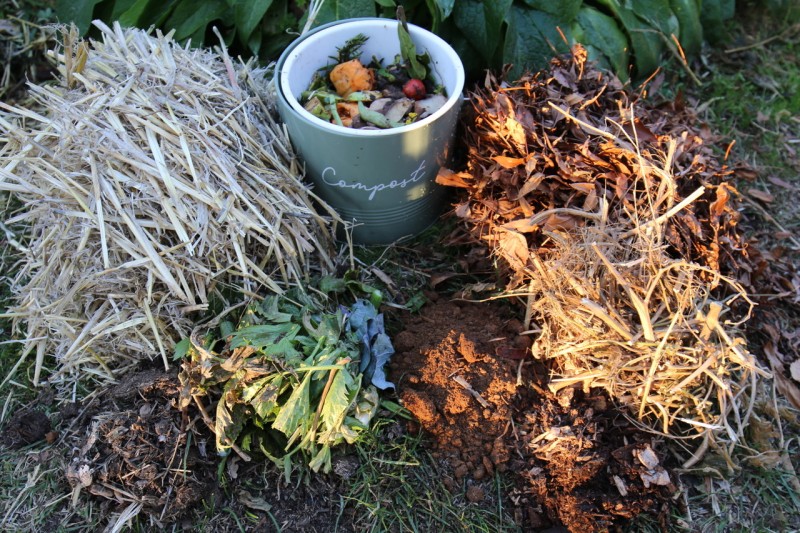
A perfect compost recipe?
I was recently asked just how much of those carbon-rich materials, like straw, autumn leaves and chopped up woody garden prunings, should we blend into our compost each time we add a bucket of food scraps from the kitchen. At YIMBY we train hot composters to a level where they no longer need a recipe,…