

Yes In My Back Yard
-
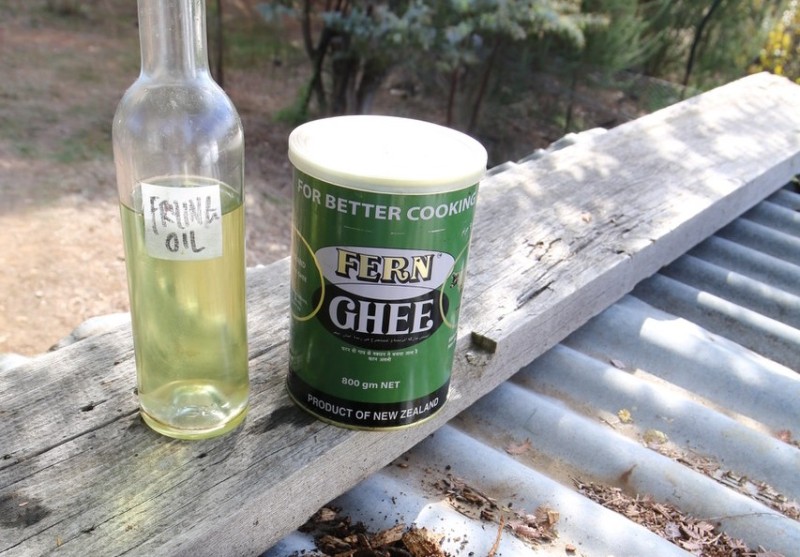
Can we really put fats and oils in our compost?
The conventional wisdom, according to most composting resources, is to not put fats and oils into composts. Why is it that composting lipids (fats, oils and waxes) is considered a no-no, and what would we do with them if we don’t compost them? The main explanation for keeping lipids out of compost piles is to…
-
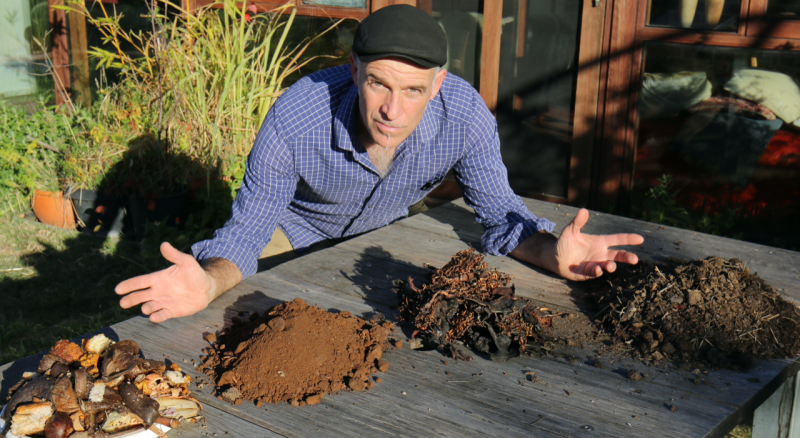
‘Greens’ and ‘browns’?
Many compost educators use the rule of ‘greens’ and ‘browns’ to differentiate between compost ingredients that are high in nitrogen (greens) and those that are high in carbon (browns). Perhaps the idea originates from leaves and grass being ‘green’ (and high in nitrogen), while sticks and woody things are ‘brown’ (and high in carbon). If…
-
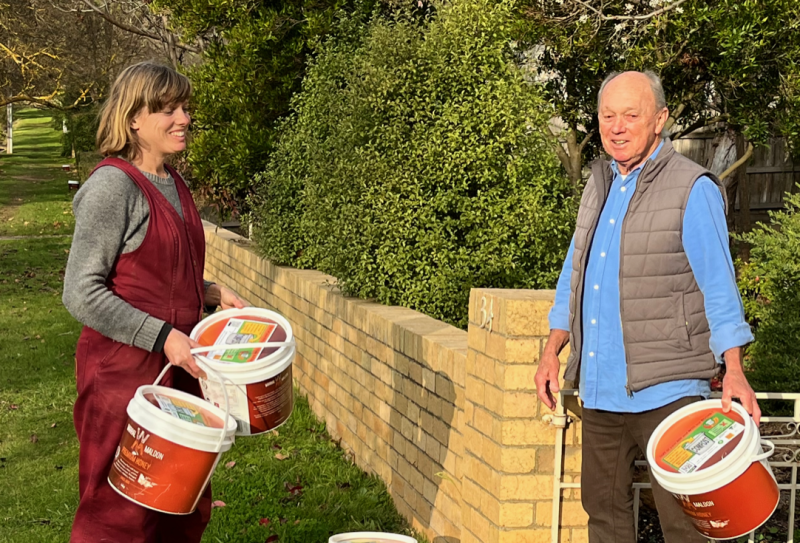
What does YIMBY do with the compost?
Here at YIMBY we are often asked what we do with all the compost we make. Yes In My Back Yard is a community composting initiative that has been going, and growing, since 2021. We now have 28 community composters in Mount Alexander Shire and 10 more about to start. We collect food scraps from…
-
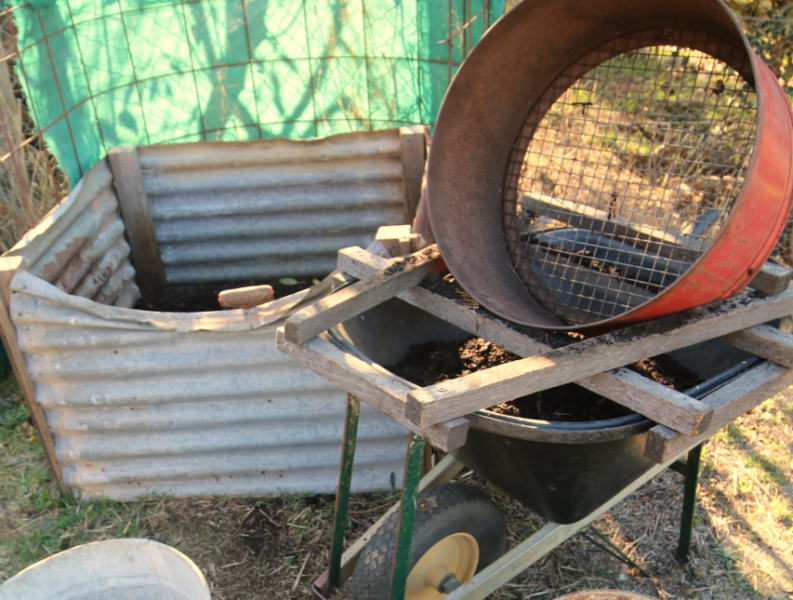
Sieving finished compost
When we have a fully cured, finished compost pile, ready to spread on the garden, we will still see a range of coarse, recognisable ingredients in the compost that have not been fully integrated into the gluey goodness of the compost structure. All the nitrogen-rich food scraps should be well gone (though we might see…
-
Giving our compost a great start
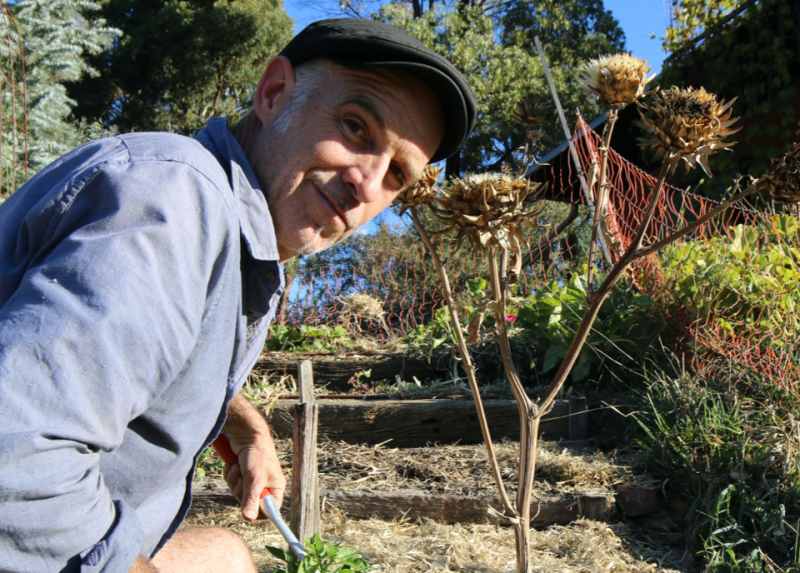
When we are starting a new compost pile – be it bin or bay – it is good practice to start with a good layer of course, chopped up, carbon-rich ingredients at the bottom of the pile. This ‘bedding’ will help the bottom of our pile to have good oxygen access in, and good carbon…
-
Four different types of straw
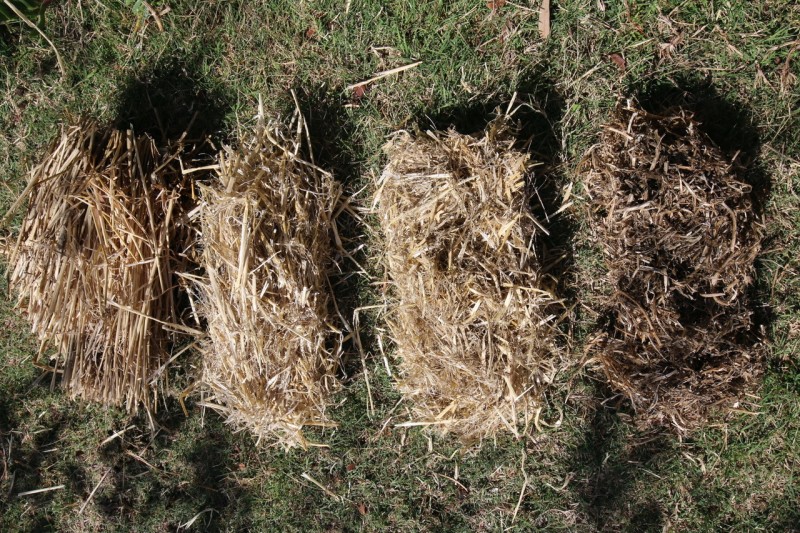
It is a nice idea that we might be able to look up the details of a particular compost ingredient and find out exactly what its carbon to nitrogen ratio might be, or what its density is. But nature is varied and complex. Each batch of every ingredient we use will be different depending on…
-
Getting the compost goodness out of bones and shells
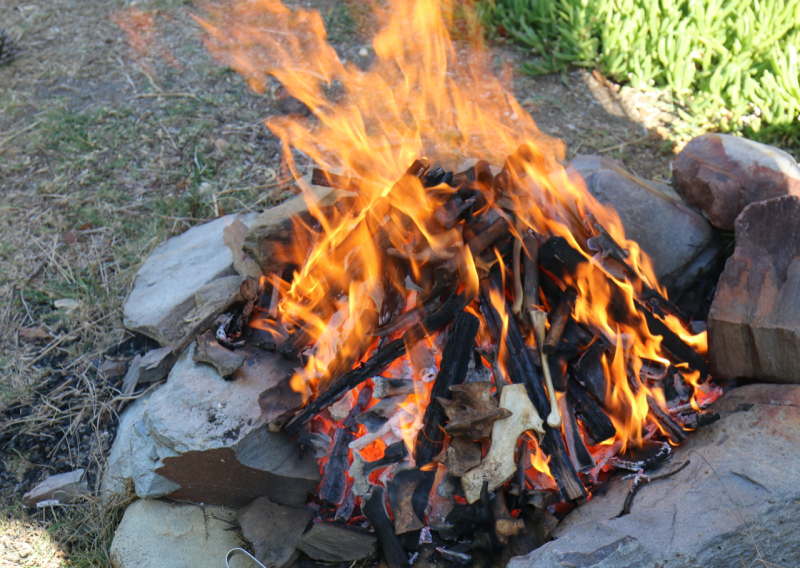
Adding bones or shells to our compost pile is fine – if we have good rodent control in place – but we will notice that these ingredients will still be present when the compost is finished, pretty much intact, just stripped of any meat and residue. Bones and shells are actually high in nitrogen, with…
-
The nitty-gritty of rodent control
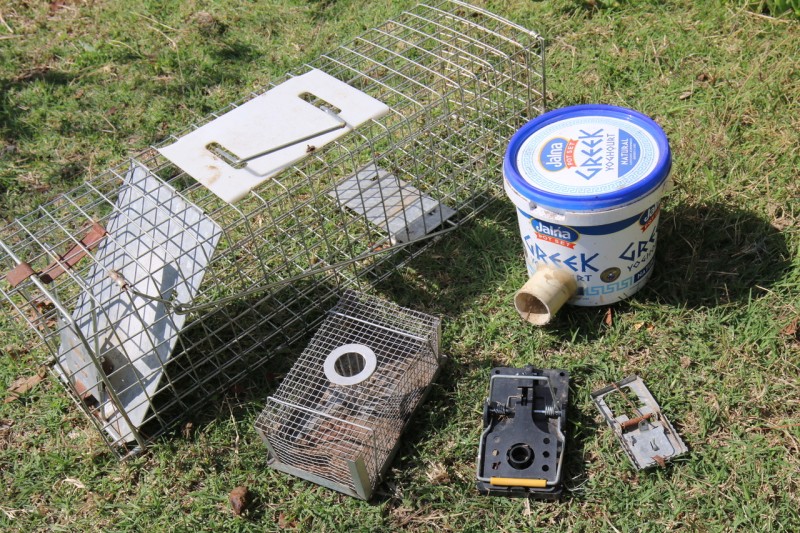
This week’s compost conversation is a follow on from last week’s article looking at the need for ‘secondary’ rodent management approaches to complement our good compost management. As we said last week, this can be a tricky subject. Everyone will have their own ethical and personal boundaries around taking the life of another creature, so…
-
Rats, mice, compost and food growing
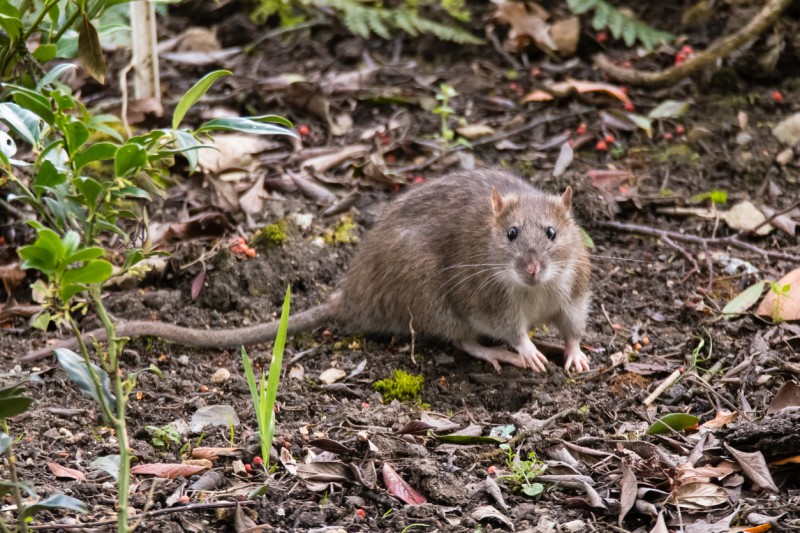
It’s a tricky subject, but one we can’t avoid, particularly as we head further into autumn and the harvest season: how do we deal with rats and mice in our compost, gardens and houses? Every person will have their own ethical and personal boundaries around taking the life of another creature or being, so let’s…
-

I just made the worst compost I have made in years!
I was putting a finished compost pile out on the garden recently, but as I was forking it into the barrow, I realised, with disappointment, it was the worst compost I had made in quite a few years! The ‘finished’ compost was dry, woody and full of fine root filaments, not the rich, moist, greasy,…
-
Are they maggots in my compost?!
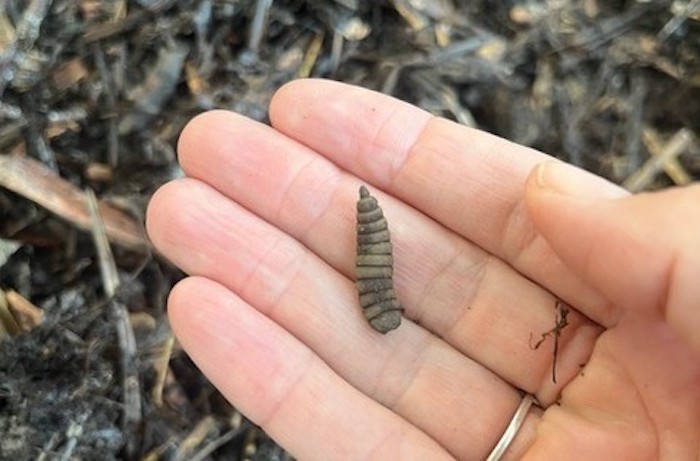
Over the warmer months it is not uncommon, when turning our compost piles, to uncover a particular fly’s larvae (or maggots) in our compost. They are long, segmented grub-like creatures, ranging in colour (white – dark brown) and length (5mm – 20mm), depending on where they are at in their life cycle when we discover…
-
Would you like chips with that?
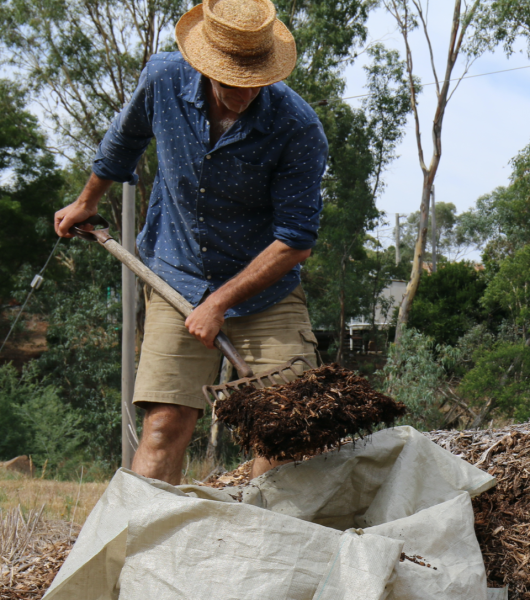
Wood chips can contribute to making some of the best and also some of the worst composts, it has a lot to do with how much goes into the compost. Wood chips are the mulched-up branches and trunks of trees. Most of this woody material is made up of lignin, the hardest, longest-lasting carbon form…