
More than three decades after a police investigation confirmed the unthinkable, a quiet but determined effort is under way to restore dignity to those displaced at Castlemaine Cemetery.
The Castlemaine Cemetery Burial Recovery Project has begun its first stage, marking the start of a multi-year archaeological investigation into human remains disturbed during decades of cemetery operations.
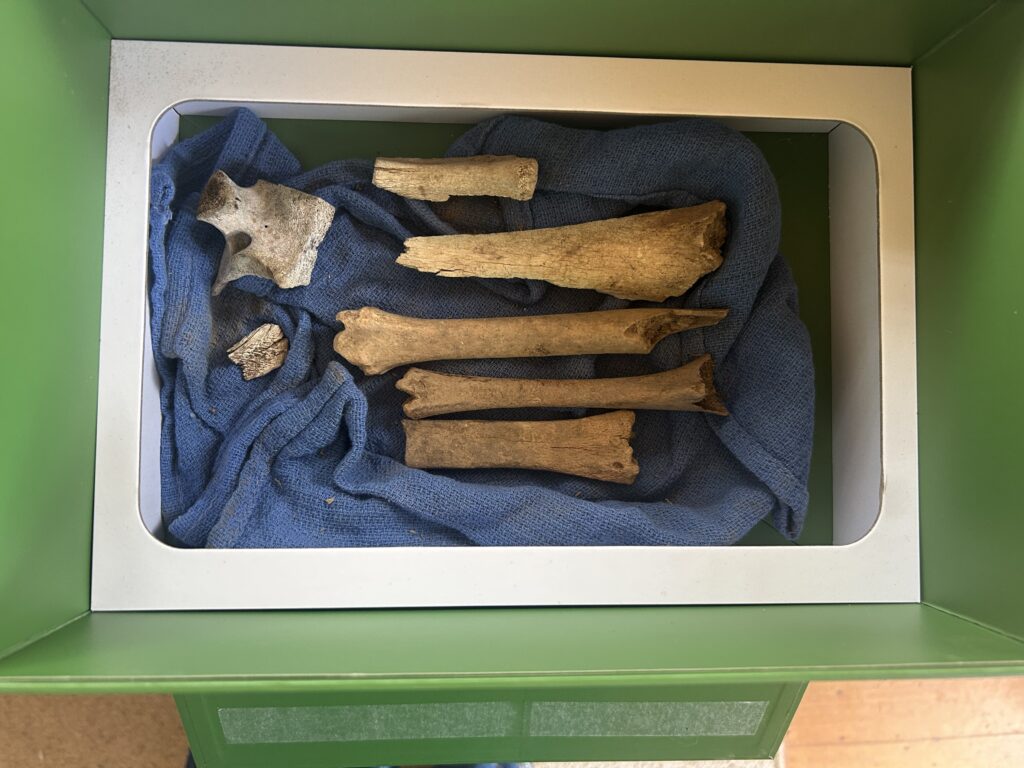
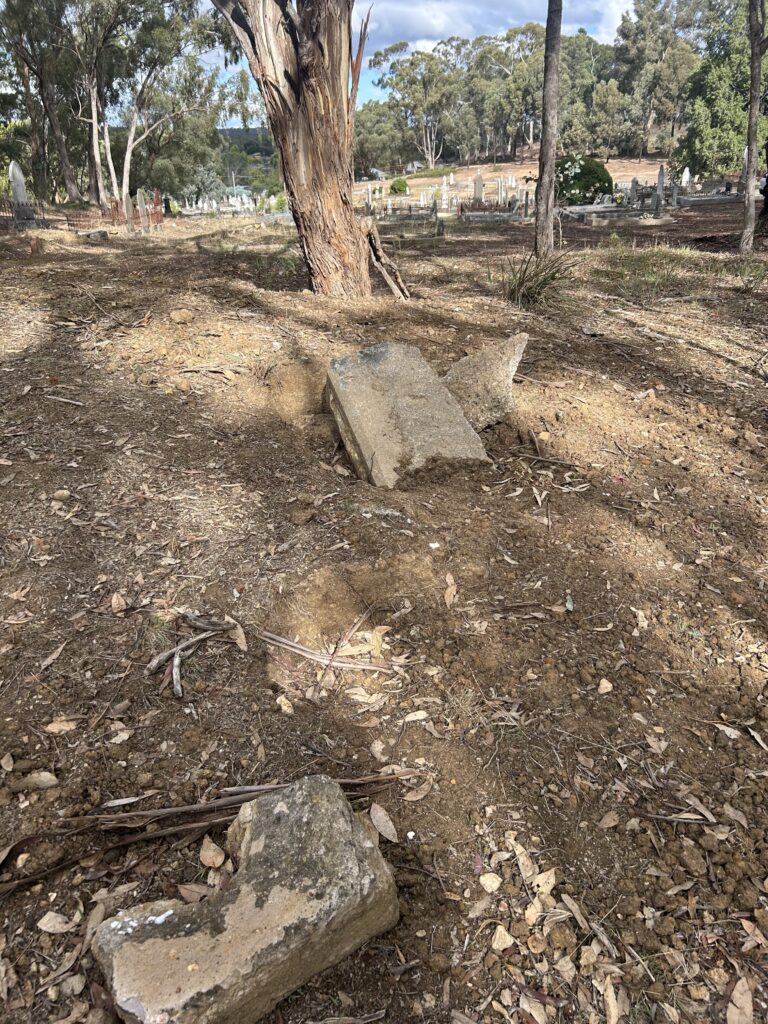
In 1994, a police investigation found that human remains had been systematically displaced from their original burial sites, with material pushed into piles within the cemetery grounds. A related off-site location is also under investigation. Despite the findings, no charges were laid and no coordinated recovery effort followed.
Now, that is changing.
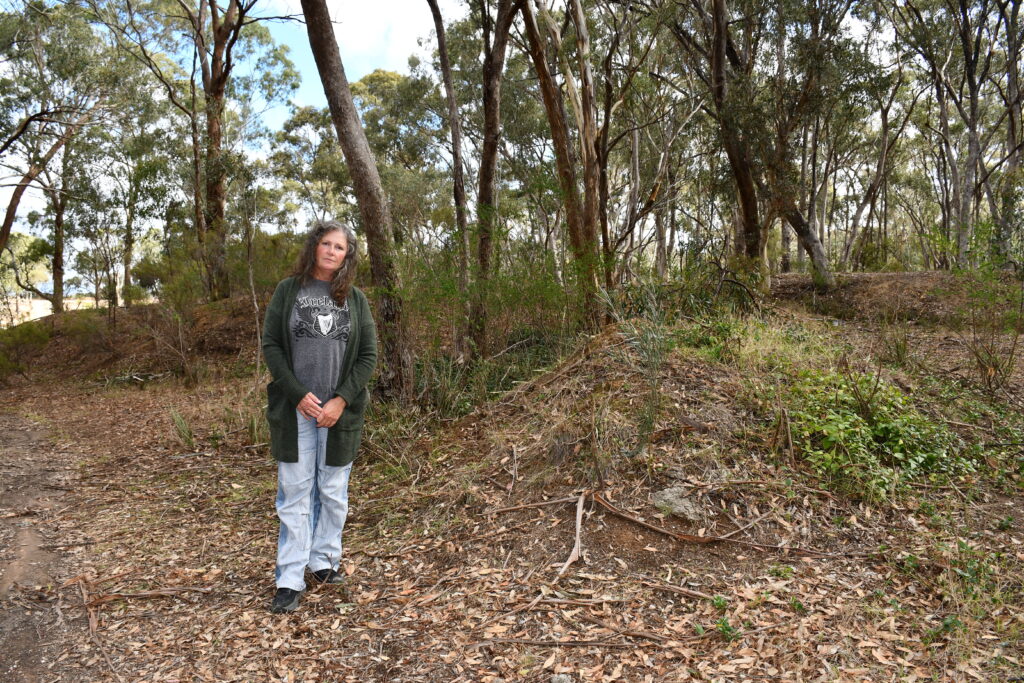
On hearing the details from Castlemaine Cemetery Trustee chaiperson Debra Tranter, private heritage consultant Nicci Foster has volunteered to help oversee the project.
The work is being carried out in consultation with Heritage Victoria and the Department of Health, with all excavation subject to regulatory approval.
For Debra, the project is personal. Her own ancestor, Thomas Woolnough, her fifth great grandfather, was buried in one of the three sections of the cemetery that were excavated.
“This is not about rushing in with machinery. It’s about building a clear understanding of what is present, where it is, and how best to proceed in a way that is respectful, methodical and informed,” she said.
Since putting out the call for information, a number of people who worked at, or were connected with, the cemetery over the years have come forward, and 13 piles have been found in the bush section of the 36-acre property.
Debra told the Express that it was bigger than they first thought, with an alleged 3000 graves from three non-denominational sections disturbed.
“And there was often more than one body buried in the graves back then, so we have no idea the number of bodies that were moved,” she said.
Established in 1852, Castlemaine Cemetery is one of Victoria’s most historically significant goldfields burial grounds, reflecting the diversity of the early colonial community. Historical records describe it as once meticulously maintained, a place where each grave was clearly marked and cared for.
Over time, however, that standard declined.
By 1928, the trustees were reported to be practically insolvent. From at least the 1940s, sections of the cemetery began to be reused. The practice drew the attention of authorities, with a directive issued in 1963 instructing that it cease. A follow-up letter in 1981 reinforced the order, but records suggest it may not have been fully implemented.
By the time of the 1994 investigation, hundreds of burial sites across multiple sections had been disturbed.
For Debra, the project is the result of years of persistence.
“This has been known for a long time. There has always been a sense that something needed to be done. We now have the right people and the right framework to begin that process properly,” she said.
Stage one of the project, which began in March, focuses on historical research, oral history collection, and a pedestrian survey of the site. This includes mapping the extent of spoil deposits, documenting surface material and analysing burial records.
Later stages will involve the development of a formal archaeological research design, followed by limited test excavations to better understand the extent and composition of the deposits. Only then will decisions be made about broader recovery efforts.
Community input will be a key part of the process.
A public drop-in session will be held at the Old Castlemaine Gaol on Saturday May 2, offering residents the opportunity to ask questions, share information, or simply learn more about the work under way.
“There are people in this community who carry knowledge, memories and connections to this place and that insight is invaluable and we want to hear from them,” Debra said.
While the work ahead is expected to take years, the intention is clear: to locate, document and respectfully reinter those who were displaced.
You can find out more and share information via the website, anonymously if you’d prefer, at: www.knowyourplace.au/CCBRP