
Composting toilets, electric vehicles and air-tight homes: what does it mean to live sustainably and why are more people making the change?
If you ask Clare Claydon or Kerryn Burgess why they transformed their homes for sustainable living, they’ll tell you it was to improve their environmental impact, and that the long-term savings are also pretty good. How they chose to do that looks completely different but their methods are fairly similar, and they want to inspire others to think differently about their homes.
Their homes are just two of those opening to the public for tours as part of Sustainable House Day on May 17.
Red Brick Reno at Kyneton
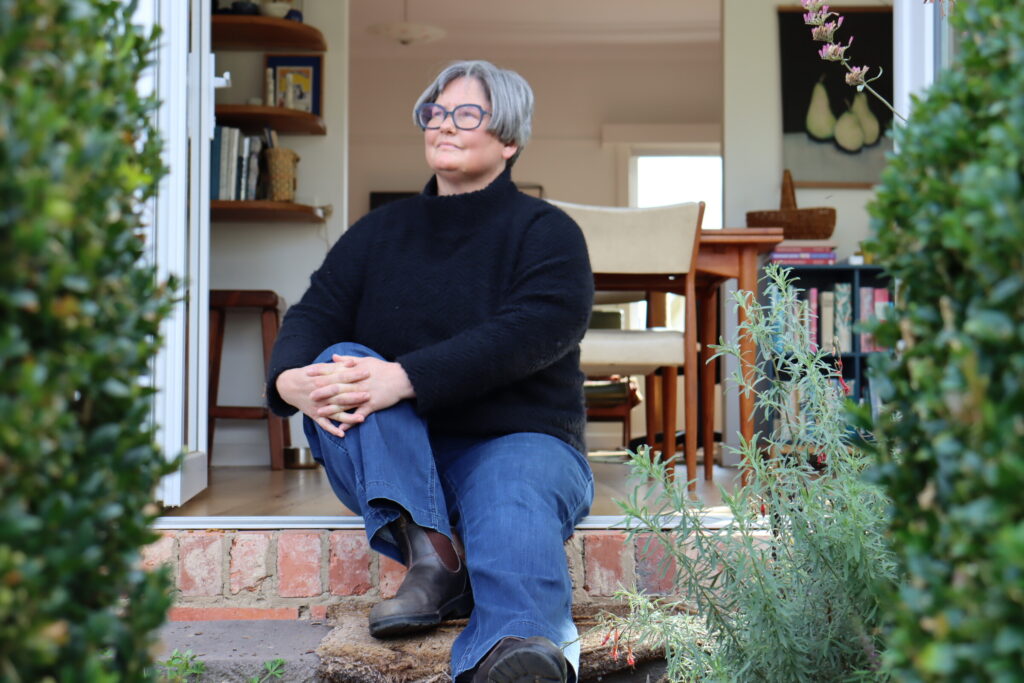
For Kerryn, transforming her home for sustainable living was a measure to save money and plan for retirement, but more importantly, reducing her footprint and aligning her home with her personal values.
“That means using less energy, using fewer resources and reusing what resources I can,” she said.
“It’s not a chore. It means more chances to observe what’s around you and to slow down. That was part for the motivation for me in moving to regional Victoria.”
Kerryn’s two-bedroom Kyneton home was built in 1954 and when she purchased it in 2010, not much had changed in that time.
“It had no wall or floor insulation, little ceiling insulation, single-glazed windows, gas hot water, gas cooking, and no garden. It was freezing in winter and hot in summer,” she said.
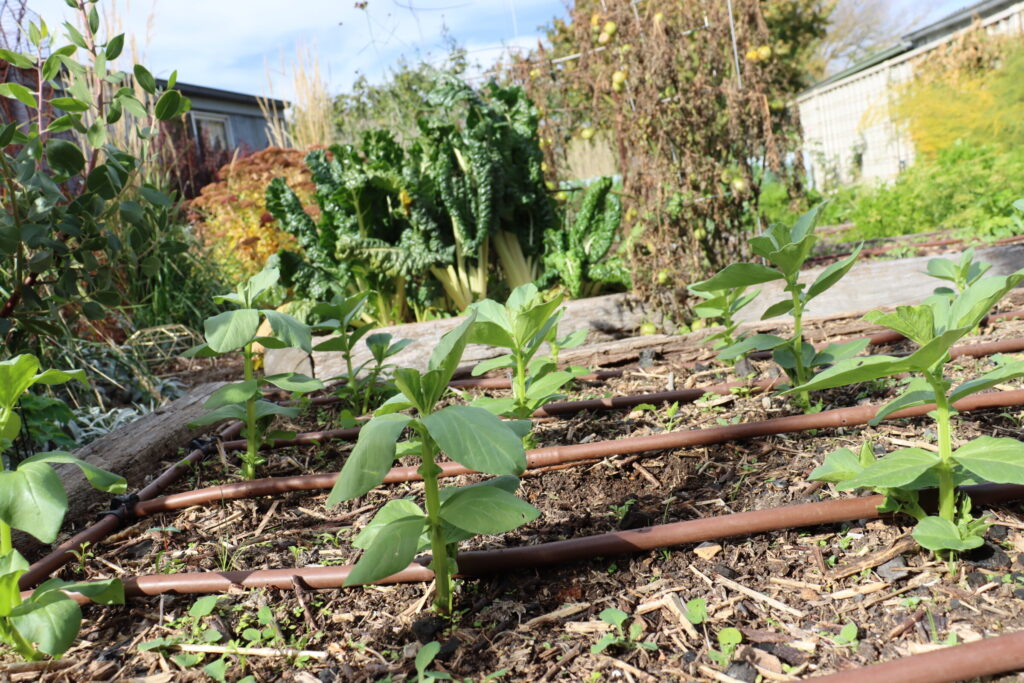
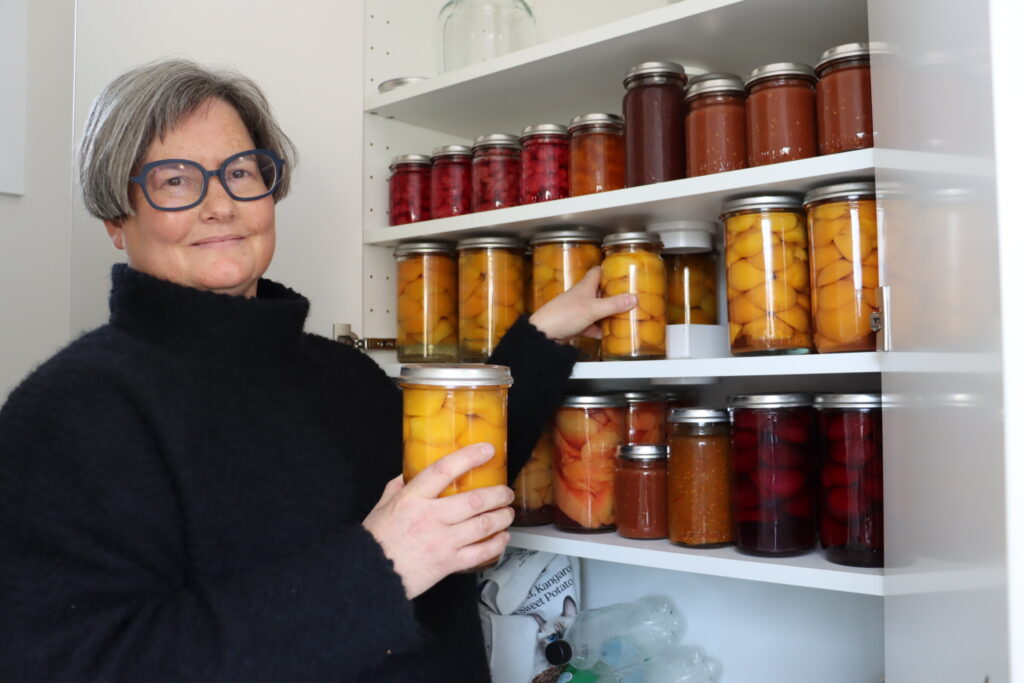
Kerryn began the ‘Red Brick Reno’ by making improvements gradually as she could afford them. That meant starting with projects like compost bays, stormwater pipes, installation of a tank, and beginning a garden that would come to grow everything from silverbeet to red flesh peaches, which she grew from seed herself. Whatever can’t be eaten, shared or utilised in some way, is preserved.
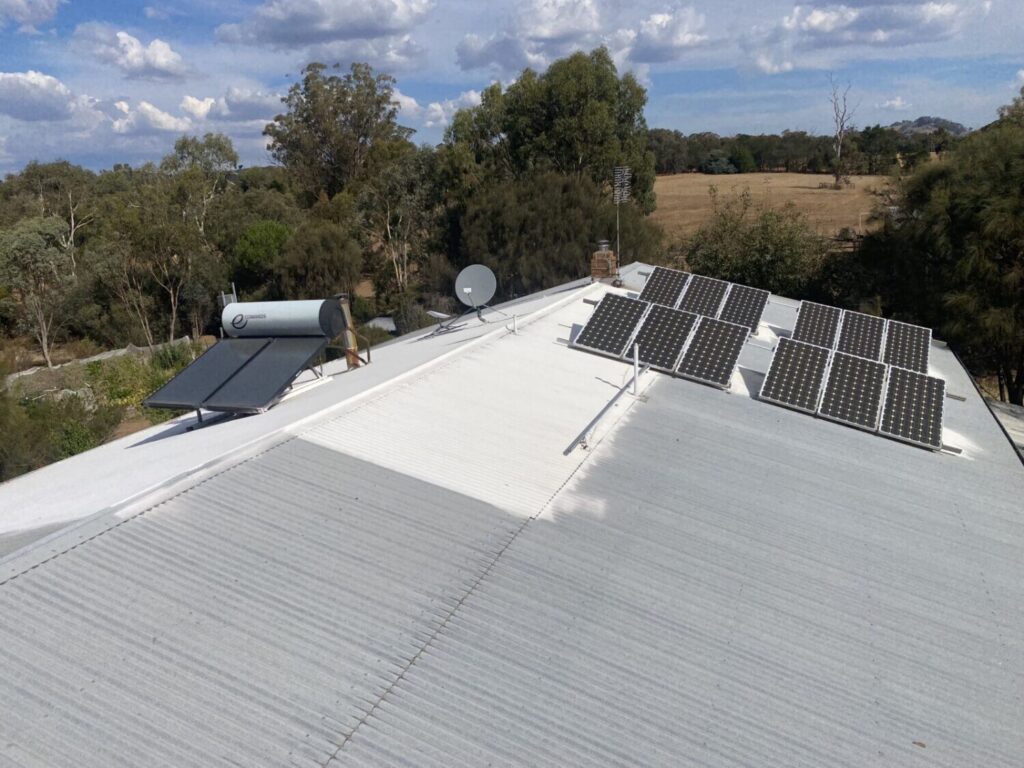
Adding insulation, installing double-glazed windows, rooftop solar panels, heat pump hot water and split-system heating and cooling, have all contributed to drastic change. She also built an enclosed cat run for her two cats with an air-tight sealing cat flap.
Kerryn has drastically reduced the air leaks in her home and can see huge reductions to her energy bills.
“You don’t need to have a lot of money to make gradual, incremental improvements, and that’s what my renovations were focused on. I did one thing at a time over 10 years,” Kerryn said.
“Eventually I got to a point of having a sustainable and comfortable house. But it was also quite ugly, so that’s when I got a builder in to do what most people probably think of as ‘the renovation’: a cosmetic overhaul.”
Outlier Building Design and Backman Builders helped make the house airtight, upgrade and insulate the floor, and upgrade the kitchen and bathroom. Many of the materials used in the makeover were repurposed or recycled including the floorboards.
The home feels serene. It has been designed with purpose and style.
While sustainability is now at the core of the house, it exists quietly, and this renovation is evidence that aesthetics do not have to suffer.
Clearwind at Glenhope
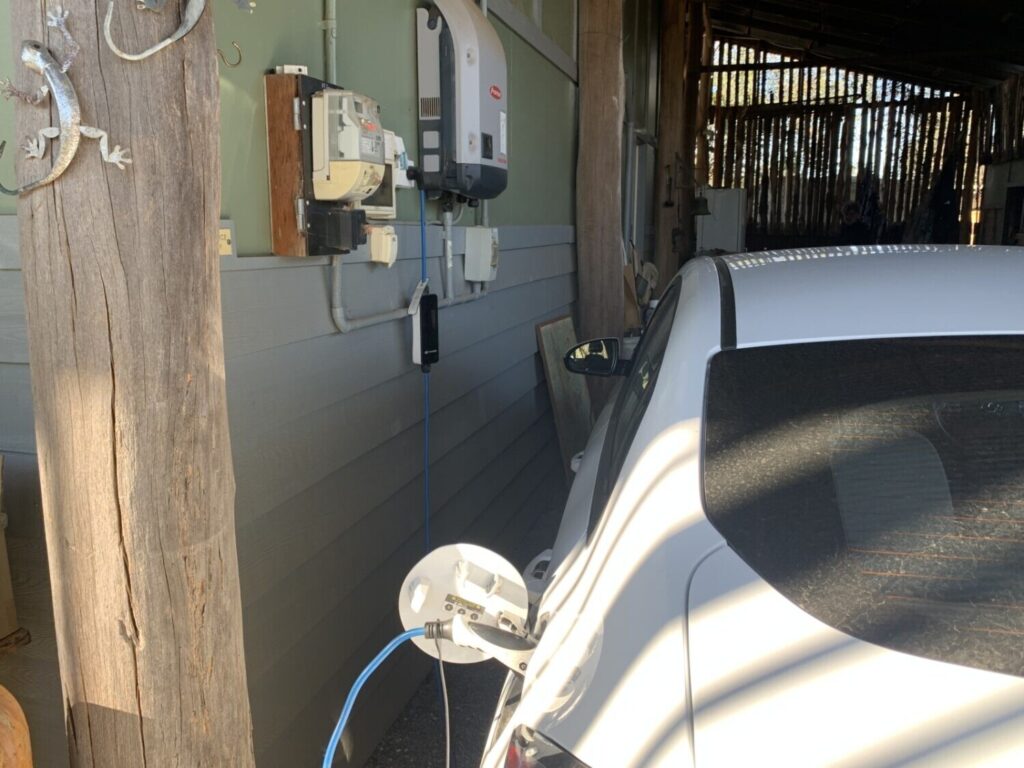
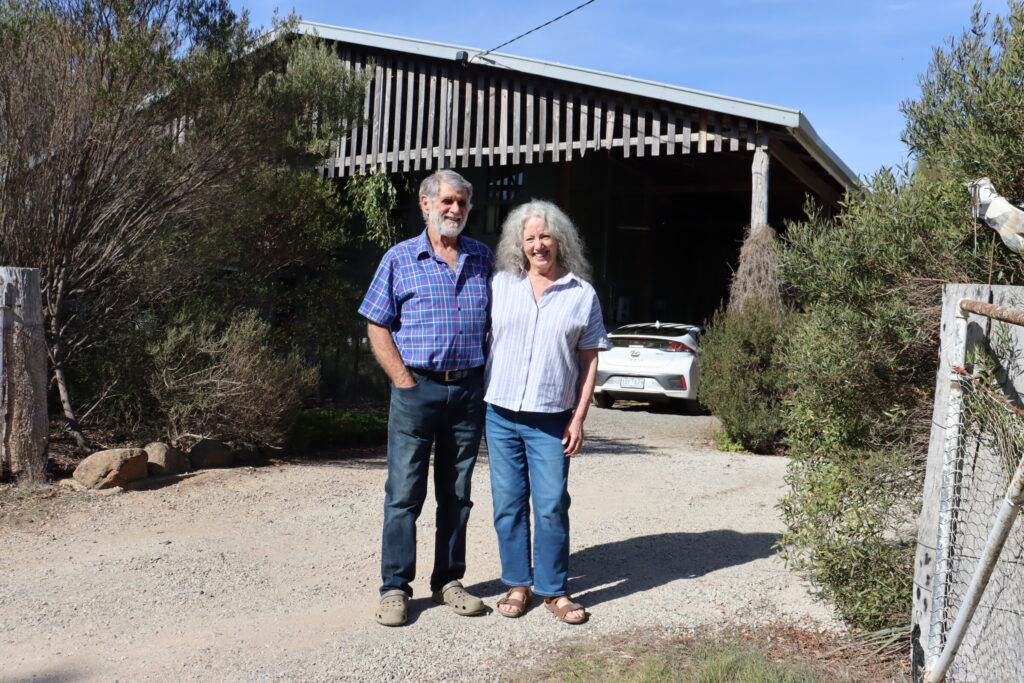
Hiding the less-attractive batteries, pipes and gadgets that often come with sustainable switch-overs, was the last thing on the minds of Clare, and husband Win, when updating their home ‘Clearwind’ at Glenhope. In fact, they would almost prefer that visitors see the nuts and bolts of their living space. They want people to ask them questions. They want people to recognise each update that has shaped their home’s transformation.
They say transition to a sustainable house came after “a real awareness of what our footprint is doing to the environment”.
Clearwind is an all-electric family home built under a pre-existing hayshed with a huge roof that offers fire protection, rain catchment and shade.
Their home has just achieved a 9.3 Nationwide House Energy Rating Scheme assessment, and Clare said anyone could make easy updates to improve their own home.
“A whole lot of what we say to people on Sustainable House Day is that it’s not the big expensive things that make the most difference. It’s small things like shutting doors, sealing draft areas, turning off lights, heavy backed drapes, pelmets, and fans,” she said.
“It’s great to have a brand new architect-designed house but we can’t afford to ignore the housing stock that we’ve already got on the ground.”
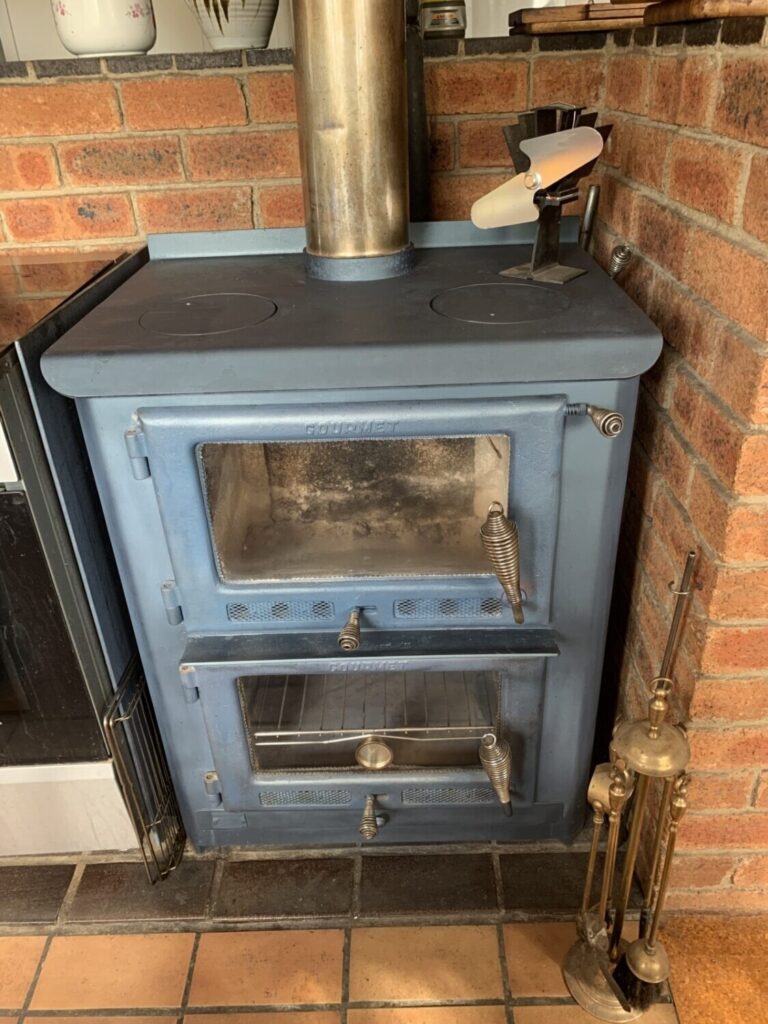
Draught-proofing, double-glazed windows, a wood stove, recycled materials and solar panels are among the features that see this home perform so well.
“We have 26 solar panels and an 11 kWh battery making us virtually self-sufficient in electricity, including about 95 per cent of the power needed for our 2021 Hyundai all-electric Ioniq. It also makes us impervious to electricity blackouts,” Clare said.
But one of the home’s most talked about features is the composting toilet. It enables all human waste to be processed through a large worm-farm and returned to the soil in their orchard. Yes, you read that correctly, and (the most common question answered) no, the toilet doesn’t smell, but you can find out more about all of that at the Sustainable House Day tour.
The property is self-sufficient in water with dams, house-use rainwater tanks and tanks for firefighting. Clare and Win grow their own vegetables and fruit, and also produce eggs and honey.
For the past 25 years they have run a business collecting, processing and selling Indigenous vegetation for revegetation projects. Now aged in their mid-70s, Clare and Win have acknowledged they will not likely remain in their current home, but are making the most of their sustainable living projects while they can.
“When we eventually have to leave here, one of the things that I’ll really miss is being able to be generous with stuff. Produce is so bountiful, it’s a joy to share,” Clare said.
“The joy and rewards of sustainability do need to be emphasised. I think that people often think it’s a ‘hair shirt’ activity.”
Open house tours
Kerryn’s Red Brick Reno at Kyneton and Clare and Win’s Clearwind at Glenhope will both be open for in-person tours on May 17.
Other homes in the region open as part of Sustainable House Day include ‘Lestrand Net Zero Home’ at Riddells Creek, ‘Lyonville Hemp House’ at Lyonville, ‘Cooee Park’ at High Camp, ‘The Open Field House’ at Muckleford, ‘Minette’s Rest’ at Castlemaine, and ‘School House, Town House’ at Castlemaine. To register your interest in taking a tour, or view details on homes listed, visit the website: sustainablehouseday.com